
The Gottman Method draws on decades of research to help couples better understand what signals safety and care versus threat and disconnection in romantic relationships. Together, we’ll explore the ways you and your partner connect, communicate, and respond under stress. Then, we’ll work towards building skills for managing relational conflicts, deepening your emotional closeness, and creating space for trust, understanding, and intimacy to grow and flourish in your relationship.
Gottman Method Couples Therapy Training and Professional Development
Based on decades of research by Dr. John Gottman, the Gottman Method was developed by Dr. Julie Gottman to help couples understand what makes relationships thrive. This approach identifies patterns that predict divorce or breakup and facilitates structured conversations to strengthen areas of growth. I am trained through Level 3, bringing these research-based strategies into my work with couples to build lasting connection, communication, and intimacy.
What to Expect
Sessions balance practical communication tools with deeper relational exploration, supporting both partners through emotional insights and sustainable growth.
You’ll both practice noticing patterns in yourself and your relationship, communicating with care, and repairing disconnections as they arise. Each session is a safe, attuned space to cultivate your relationship’s connection and closeness.


Specialties Gottman Method Is Great For:
My work is guided by the belief that therapy should meet you where you are. Rather than relying on a single approach, I adapt and blend different methods to support your goals and what you are navigating in the moment. These are the types of sessions we may use this approach in:
-
Couples therapy at Upward Roots Relational Therapy supports partners who want to strengthen their foundation before patterns become entrenched, as well as partners navigating longstanding cycles of hurt who need support untangling the impact of trauma or betrayal. Using Attachment Theory, we explore how each partner’s family-of-origin and relationship history shows up in the present, and work together to restore safety, trust, and a more secure, connected bond.
Frequently Asked Questions
Starting therapy often begins with a massive sigh, an exhaustion of looking for help, for relief, for change. I welcome your curiosities and hope that you will begin to find answers to your unsettled questions on the pages of my website.
Here are answers to the most common questions I am asked about working with Upward Roots Relational Therapy. For any additional questions, please reach out so I can support your next step of growth.
-
Upward Roots Relational Therapy offers trauma-informed therapy, EMDR, attachment-based individual and couples therapy, and EMDR intensives.
- Individual Trauma Therapy (C-PTSD & PTSD)
Sessions are oriented toward helping the nervous system process and release stored trauma that continues to show up as anxiety, chronic stress, emotional reactivity, or shutdown. EMDR is integrated with parts work and somatic psychotherapy to address developmental, relational, and situational trauma, as well as body-based trauma responses. - Individual Attachment Therapy
Early and ongoing relationships shape how we protect ourselves, connect with others, and navigate closeness. This work begins by identifying your unique attachment style and reflecting on relational patterns such as people-pleasing or hyperindependence. Mind-body approaches, including imagery, inner child healing, parts work, boundary setting, and nervous system regulation, support greater security and flexibility in adult relationships. - Couples Therapy
Relational distress often emerges from repeated patterns rather than isolated conflicts. Using evidence-based, attachment-focused frameworks such as PACT, the Gottman Method, Attachment Core Pattern Therapy and EMDR for couples, therapy focuses on slowing these cycles, strengthening communication, understanding each partner’s internal worlds, and repairing relational injuries while remaining mindful of the impact of past trauma. - EMDR Intensives
For some individuals, extended in-person sessions allow for deeper focus and momentum than traditional weekly therapy. EMDR Intensives range from half-day to multi-day sessions in Carlsbad, California, and are designed for accelerated, immersive trauma processing, integration, and nervous system regulation. - Support for Therapists and Clinicians
Holding space for others can make it easy to neglect your own internal landscape. Individual and group settings offer room to explore personal patterns, countertransference, and burnout within a supportive, trauma-informed, relational context.
- Individual Trauma Therapy (C-PTSD & PTSD)
-
- By scheduling a free 20-minute phone consultation. I want to make sure both of us feel confident in our ability to meet your therapy goals together before we start unpacking your history in sessions. We can decide together if weekly sessions, twice a week sessions, or an intensive is the right therapy container for you at this time.
- We will choose the day and time that works best for your emotional availability for this deeper therapeutic work. Consistency is a key ingredient in felt-safety and trust. We will build safety within predictability, knowing that each week we will meet and attune to your inner world together, on the same day, at the same time, whenever possible.
- In our first sessions, we’ll explore together the influences on who you are today–the significant people and places that leave you feeling your most confident, secure, and calm self. We will begin with resourcing through imagery, resource tapping, and somatic movement to encourage felt-safety in your attachment and nervous systems.
- Together, we will set your goals and direction for your healing. We will discuss which formal diagnosis makes the most sense if you are seeking reimbursement on a PPO insurance plan.
- Healing takes time and trust. We’ll unpack the stories and, with time, find the freedom to move your body and find the flexibility to think more kindly of yourself–past, present and future.
-
- Individual therapy: 50 minutes – $200 | 80 minutes – $320
- Couples therapy: 50 minutes – $200 | 80 minutes – $320 | 110 minutes – $440
- Extended or deep work sessions: 3 hours – $720 | 4 hours – $960
- EMDR intensives: Half day – $900 | Full day – $1,700
Extended sessions and intensives are prorated. Sliding fee options may be available. Upward Roots Relational Therapy is out-of-network for insurance, but Superbills are provided for PPO reimbursement for standard sessions.
-
At this time, Upward Roots Relational Therapy is out-of-network with all insurance providers. If you plan to seek reimbursement, you can contact your insurance company to ask about your out-of-network benefits. Sharing the billing codes used in sessions will help them provide clear and accurate information about your coverage:
- 90791 - All first sessions
- 90834 - 50-minute individual sessions
- 90837 - Individual sessions, 53-60 minute sessions
- 90847 - 50-minute couples session
Posts Related to Gottman Method

How to Build a Secure Marriage: Conflict, Intimacy, and Emotional Safety
Below is a grounded, trauma-informed framework for the engagement and early marriage years — especially for couples who want depth, emotional maturity, and a relationship
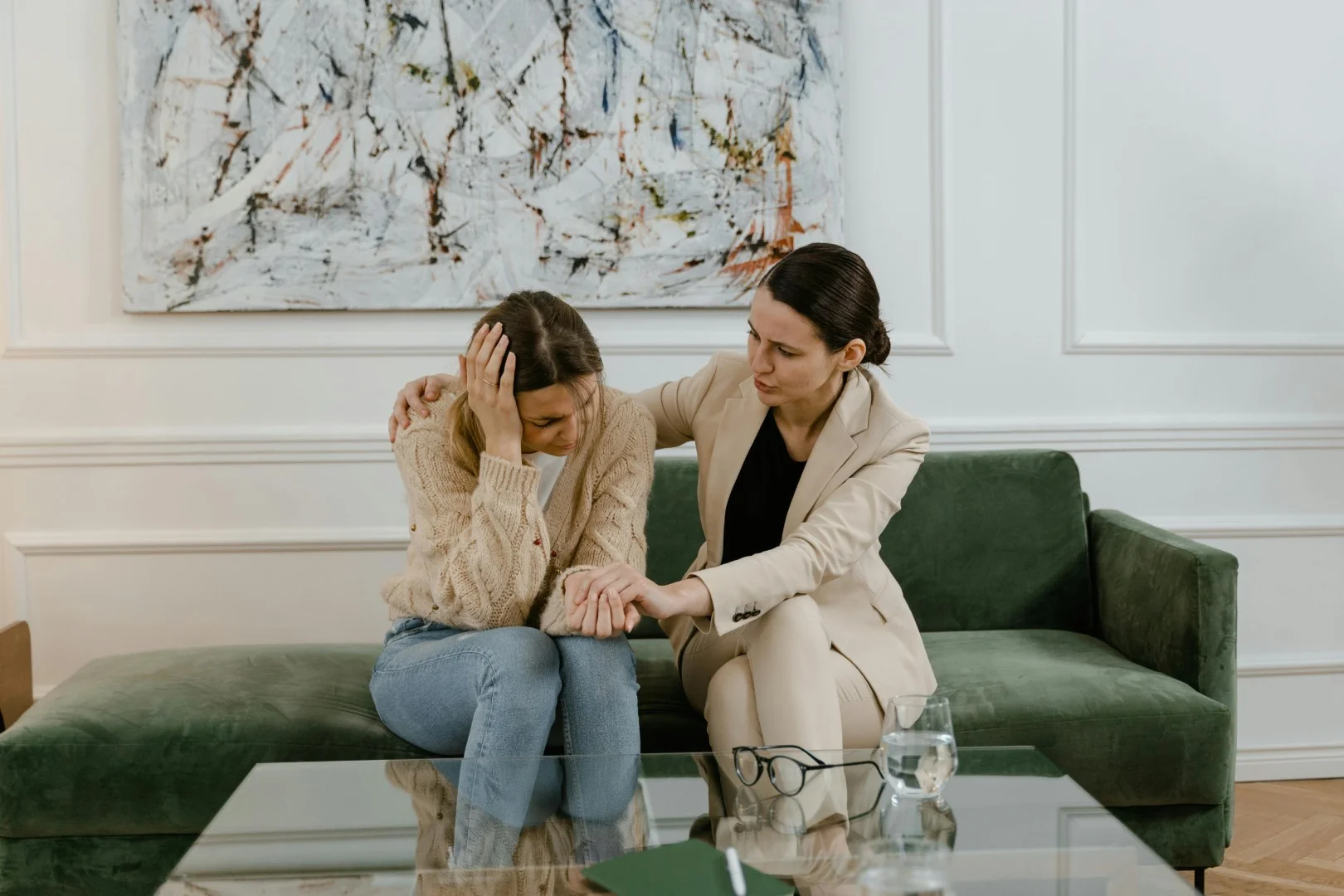
Decision-Making in Relationships: Learning to Choose From Safety, Not Survival
Many people don’t struggle with knowing what they want in relationships—they struggle with deciding. Choices that seem simple on the surface—Should I speak up? Stay? Leave? Ask for

PACT (Psychobiological Approach to Couple Therapy) with Dr. Stan Tatkin (author of Wired for Dating and Wired for Love)
Types of Attachment Attachment Styles are on a continuum, they are not fixed states Islands, the Anxiously Avoidant individuals Waves, the Anxiously Ambivalent individuals Anchor,